Common Reasons Boats End Up in the Shop Mid-Season
The Most Common Reasons Boats End Up in the Shop Mid-Season
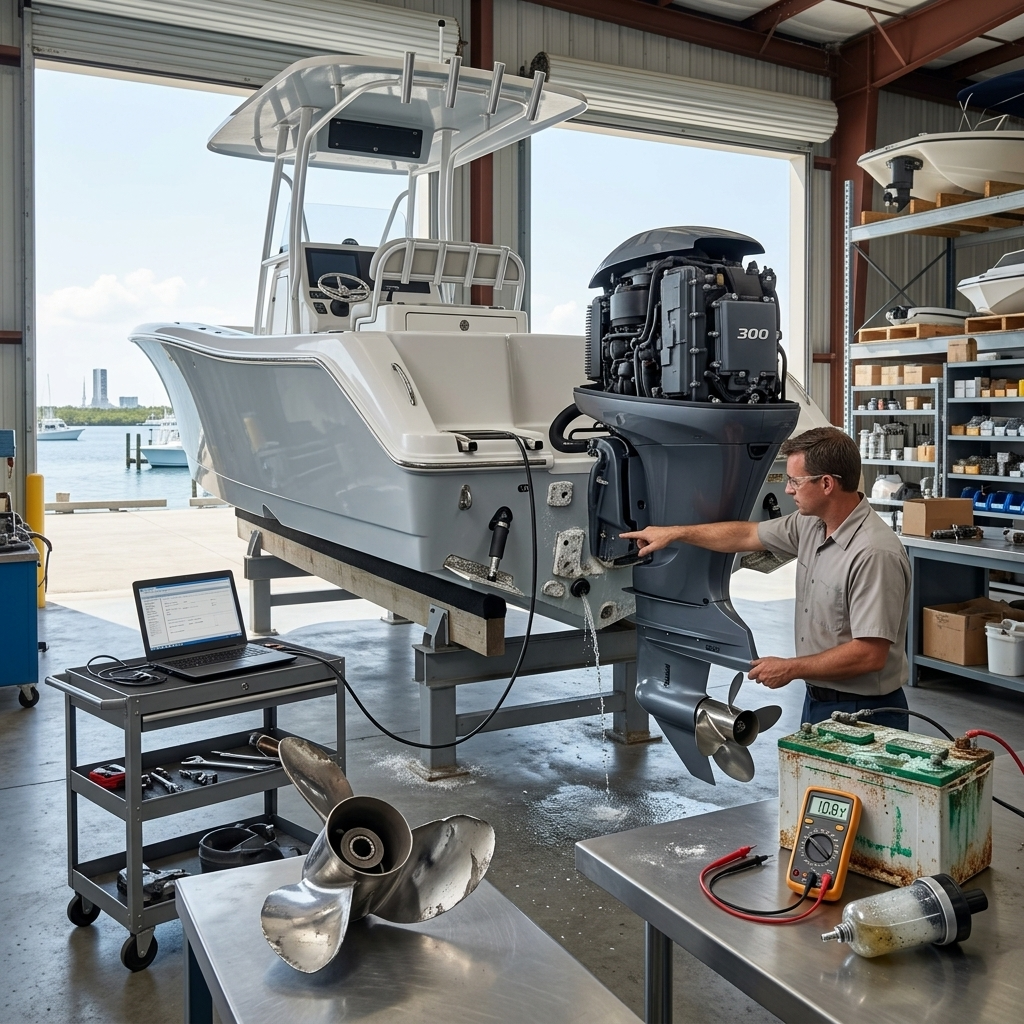
Mid-season breakdowns can interrupt valuable time on the water and may lead to preventable repair work. Many of the issues that bring boats into a marine service shop during the busiest months of the year develop slowly over time. With the right inspection habits and preventive maintenance, many owners can reduce the likelihood of unexpected problems.
This article reviews common reasons boats end up in the shop mid-season, with a focus on Yamaha outboards and coastal use in areas such as Brevard County, Florida. It is intended as general information only and is not a substitute for manufacturer guidance or professional diagnostics.
1. Deferred Preventive Maintenance
One of the most frequent causes of mid-season service visits is maintenance that was delayed or skipped during the off-season. When routine service is postponed, minor wear can become a mid-season problem.
How deferred maintenance shows up mid-season
Examples of issues that often trace back to overdue maintenance include:
- Difficulty starting after the boat has sat for several weeks
- Rough running or hesitation when accelerating
- Warning indicators related to lubrication, charging, or temperature
- Increased noise, vibration, or unusual mechanical sounds
Following the manufacturer-recommended service intervals for oil changes, gear lube, filters, spark plugs, and inspections can help reduce the likelihood of these problems appearing suddenly when the boat is being used the most.
Helpful owner habits
While many procedures are best left to certified technicians, owners can support preventive maintenance by:
- Keeping accurate records of service dates and engine hours
- Reviewing the owner’s manual schedule at the beginning of each season
- Scheduling recommended services before peak boating months, rather than after an issue appears
2. Fuel System Contamination and Degradation
Fuel-related concerns are a common reason for mid-season loss of power or erratic performance. Modern fuels and coastal storage environments can contribute to contamination or degradation if not managed carefully.
Common fuel-related symptoms
Fuel problems may present as:
- Hard starting or stalling shortly after starting
- Surging or uneven power at steady throttle
- Reduced top-end performance compared with earlier in the season
- Engine alarms or abnormal running behavior under load
Because fuel systems involve flammable vapors and pressurized components, detailed troubleshooting and repairs should be handled by qualified marine technicians familiar with manufacturer procedures and safety practices.
Preventive steps for boat owners
At a high level, owners can support fuel-system reliability by:
- Using fuel that meets manufacturer specifications
- Storing fuel appropriately and avoiding long storage periods when possible
- Monitoring for water or debris in visible fuel separators (if equipped)
- Having a professional inspect the system if any fuel odor or leakage is suspected
If you notice changes in how the engine responds to throttle or if starting becomes inconsistent, it is advisable to stop operating the boat and consult a marine service professional for inspection.
3. Battery and Charging System Issues
Electrical reliability is essential for starting, navigation, and safety equipment. Mid-season battery problems are especially common in boats that see intermittent use or have multiple accessories drawing current.
Signs of battery or charging concerns
Typical indications include:
- Slower cranking speed when starting the engine
- Clicking sound without the engine turning over
- Electronics resetting or shutting off under load
- Warning indicators related to voltage or charging
These symptoms can result from aged batteries, loose or corroded connections, or issues with the engine’s charging system. Because boat electrical systems can involve multiple battery banks and higher-current circuits, detailed testing is best performed with appropriate tools by a trained technician.
What owners can monitor safely
Without performing complex electrical work, boat owners can:
- Visually check that battery terminals appear clean and secure
- Ensure batteries are properly secured in their trays
- Limit unnecessary loads when the engine is off
- Note any repeated low-voltage warnings and inform a service professional
For ongoing reliability, many owners find it useful to have their batteries and charging system evaluated as part of pre-season or annual service, especially in hot, humid climates where battery life can be shorter.
4. Overheating and Cooling System Concerns
Cooling system problems are a frequent reason an outboard ends up in the shop mid-season. Salt, sand, and marine growth can all affect water flow over time.
Cooling-related warning signs
Potential indications of a cooling problem include:
- Overheat warning alarms or indicator lights
- Steam or unusually hot exhaust discharge
- Reduced or inconsistent telltale (indicator) stream at idle
- Loss of power or engine entering a protective reduced-power mode
Operating an engine that is overheating can lead to significant damage. If any overheat warning occurs, it is important to follow manufacturer guidance, shut down the engine as instructed, and contact a qualified technician as needed. Disassembling cooling components or running an engine without proper water supply can be unsafe and is not recommended for untrained individuals.
Simple owner observations
Owners can help protect against cooling issues by:
- Inspecting the telltale stream regularly while operating
- Avoiding running the engine in very shallow or debris-filled water when possible
- Rinsing the engine with fresh water using manufacturer-approved methods after saltwater use
- Scheduling periodic professional inspections of water pump and cooling components based on hours and conditions
5. Corrosion and Saltwater Wear
In coastal regions, including the Indian River Lagoon and Atlantic waters near Brevard County, corrosion is an ongoing concern. Mid-season corrosion problems often surface when minor issues from earlier in the year progress.
Where corrosion often appears
Common areas where corrosion may be identified in the shop include:
- External hardware exposed to salt spray
- Electrical connectors and terminals
- Steering and tilt/trim components
- Lower unit housings and mounting surfaces
Not all corrosion is immediately obvious, and internal components can also be affected over time. A certified marine technician can inspect high-risk areas and recommend appropriate maintenance actions.
Reducing corrosion risk
Boat owners can support corrosion control by:
- Rinsing the exterior of the engine and boat with fresh water after use
- Following manufacturer recommendations for corrosion-inhibiting products
- Ensuring sacrificial anodes are inspected and replaced when needed by a professional
- Keeping an eye out for flaking paint, rust staining, or white powdery deposits around metal components
6. Steering and Control Problems
Steering and throttle/shift controls directly affect safe operation. When these systems develop stiffness, play, or inconsistent feel, owners often schedule mid-season service.
Typical steering and control symptoms
Concerns that commonly lead to a shop visit include:
- Steering that feels tight, jerky, or difficult to turn
- Excessive play in the steering wheel or helm
- Throttle or shift levers that feel sticky or inconsistent
- Unexpected engine angle changes when underway
Because steering and control systems contribute directly to safe maneuvering, they should be evaluated by a qualified marine technician if any abnormal behavior is noticed. Complex adjustments, hydraulic system service, or control cable replacement are not recommended as do-it-yourself tasks for most owners.
Inspection habits for owners
At a basic level, owners can:
- Note any change in steering effort from one outing to the next
- Check for obvious external damage to control cables or linkages
- Verify that the engine moves smoothly through its full tilt and turn range while the boat is secured at the dock
- Report any unusual noises or stiffness to a service professional before the next offshore or high-speed trip
7. Propeller and Lower Unit Damage
Contact with submerged objects, sandbars, or debris can lead to mid-season shop visits for propeller and lower unit concerns. Even seemingly minor impacts can have effects that become noticeable over time.
What owners may notice after an impact
After striking an object, common observations include:
- New vibration at specific speeds or throttle settings
- Visible dings, bends, or missing material on the propeller
- Unusual noises when engaging gear
- Difficulty maintaining normal speed at typical throttle positions
If you suspect you have contacted an object or notice new vibration, it is prudent to have the propeller and related components inspected before continuing to use the boat at speed. Internal lower unit inspections and repairs involve specialized tools and are best handled by experienced technicians.
8. Ignition and Sensor-Related Performance Issues
Modern Yamaha outboards rely on sensors and electronic control systems to optimize performance and protect the engine. When ignition components or sensors experience issues, owners often notice drivability changes that lead to a mid-season diagnostic visit.
Possible indications of electronic or ignition concerns
These may include:
- Intermittent misfire or rough running at certain RPM ranges
- Warning lights or fault codes
- Loss of power under load despite normal starting
- Inconsistent idle quality
Because electronic control systems are complex and can involve safety-related functions, diagnostics should be performed using appropriate tools and manufacturer information. Attempting to bypass sensors or warning systems is unsafe and may lead to further problems.
Planning Ahead to Reduce Mid-Season Interruptions
No maintenance plan removes all risk of mid-season repairs, but thoughtful preparation can often reduce how frequently a boat needs to visit the shop at the height of the season.
Practical planning steps
Consider incorporating the following into your routine:
- Schedule annual or 100-hour service before peak boating months
- Perform a visual walk-around and basic function check before each outing
- Document any unusual noises, smells, or operating changes as soon as they occur
- Follow Yamaha and boat manufacturer maintenance schedules, especially for engines used in saltwater
When in doubt, erring on the side of caution and consulting a certified marine technician can support long-term engine reliability and safer operation.
Working with a Yamaha Outboard Specialist in Brevard County
Yamaha outboards operate in demanding conditions along the Space Coast, from inshore flats to offshore runs. Having a trusted marine professional familiar with local conditions, Yamaha systems, and manufacturer-recommended procedures can be helpful in identifying small issues before they interrupt the season.
For boat owners in Satellite Beach and throughout Brevard County, scheduling regular inspections and discussing any concerns early in the season can make it easier to address problems on a planned basis rather than during a busy holiday weekend or during favorable weather that you would prefer to spend on the water.
If you have questions about mid-season concerns, maintenance intervals, or whether a new symptom calls for professional attention, you can request an evaluation with a Yamaha-trained technician. To learn more or to schedule service with Yamaha Outboard Specialist, please Contact Yamaha Outboard Specialist.


