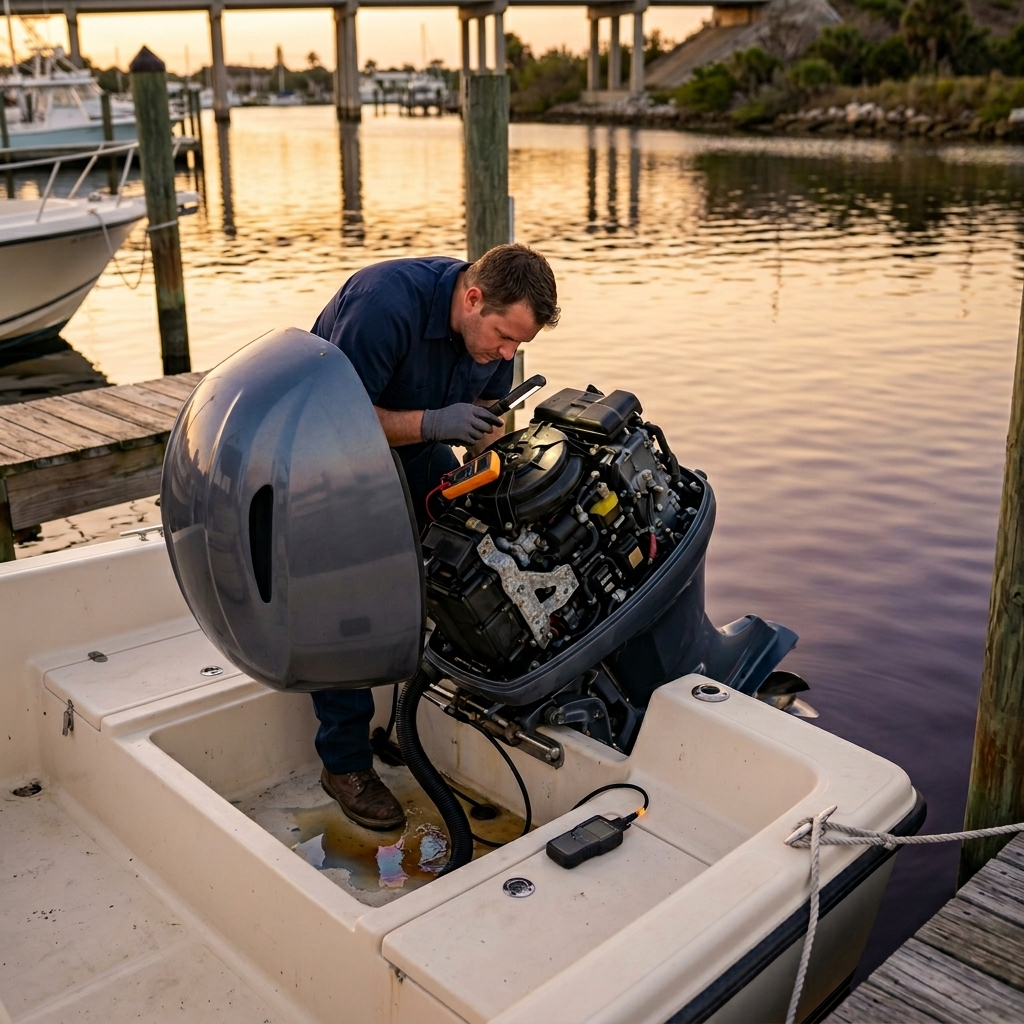
The True Cost of Ignoring Small Boat Problems
The True Cost of Ignoring Small Boat Problems
Many boat owners in Brevard County are familiar with minor issues that seem harmless at first: a small warning beep, a stiff throttle, or a bilge pump that takes a little longer than usual to clear water. It can be tempting to keep using the boat and watch it instead of scheduling service. Over time, however, these small problems can develop into more complex, time-consuming, and expensive repairs, and in some cases may affect safety or reliability on the water.
This article explains the hidden costs of postponing attention to small boat problems, with a focus on Yamaha outboards and common systems found on coastal Florida boats. It is intended for general education only and is not a substitute for professional inspection, diagnosis, or manufacturer guidance.
Why Small Problems Rarely Stay Small
Modern outboards and boat systems are designed as integrated systems. A small symptom is often your first warning that a part is wearing out or that a system is no longer operating within normal limits. When those early signs are ignored, additional components may be stressed and the repair scope can grow.
Even if the boat still starts and runs, small problems can lead to:
- Shortened component life for related parts
- Unplanned downtime during the boating season
- Higher cumulative repair costs over time
- Reduced fuel efficiency and performance
- Increased risk of on-water breakdowns
Common Minor Issues That Can Become Major
Small issues can appear in different ways depending on how and where you use your boat. The following examples highlight problems that should not be overlooked, especially in saltwater environments like the Indian River Lagoon and Atlantic waters off Brevard County.
1. Unusual Sounds or Vibrations
Rattles, new noises, or subtle vibration changes at certain speeds are easy to dismiss when the boat still planes and accelerates. However, these can indicate issues such as:
- Propeller damage or imbalance
- Loose engine mounting hardware
- Wear in steering or control linkages
- Contact between moving parts and debris
If noise or vibration is ignored, components can loosen further, seals and bearings may wear prematurely, and propeller or gearcase damage can increase. Over time this may contribute to more extensive driveline or mounting repairs.
2. Warning Lights and Beeps
Yamaha outboards and many modern marine systems use warning lamps and audible alarms to indicate that a system is operating outside normal parameters. Sometimes the engine may go into a protective limp mode to reduce stress. Silencing or ignoring alarms without proper diagnosis can allow a minor issue to worsen.
Common causes of alarms may include low oil level, low oil pressure, charging system irregularities, or elevated temperature readings. While not every alert indicates a critical failure, any warning should be treated as a prompt to consult the operator manual and, when in doubt, have the engine checked by a certified marine technician.
3. Hard Starting or Rough Idle
Engines that take longer to start, require extra throttle to stay running, or idle unevenly may still get the boat on plane, but these symptoms are often early signs of system wear or contamination. Contributing factors can include:
- Fuel quality concerns or contamination
- Spark plug wear
- Air intake restrictions
- Sensor or control system irregularities
Over time, unresolved starting and idle issues can contribute to increased fuel consumption, carbon deposits, and stress on the starter system. Addressing the cause early is typically more straightforward than diagnosing a no-start condition later.
4. Steering That Feels Stiff or Uneven
Many boaters get used to gradually increasing steering effort and may attribute it to boat size, propeller torque, or wind. Stiff steering, hesitation when turning, or noticeable play can be signs of:
- Corrosion or lack of lubrication in steering components
- Hydraulic fluid concerns in applicable systems
- Wear at pivot points and linkages
Ignoring these early symptoms can lead to more pronounced control issues and may eventually limit your ability to steer smoothly. Regular steering system checks and prompt attention to changes in feel can help maintain safe handling.
5. Small Leaks and Moisture Accumulation
Finding a small amount of water, fuel odor, or oil sheen in the bilge or engine compartment may seem minor if the boat still operates normally. However, repeated moisture accumulation can contribute to corrosion, damage wiring insulation, and mask the early stages of hose or fitting deterioration.
Any persistent fluid, unexplained moisture, or odor should be documented and discussed with a marine technician. Prompt identification and correction of the source can help limit corrosion and protect onboard systems.
The Financial Impact of Delayed Attention
While no technician can predict exact costs for future repairs, the general pattern is consistent across most marine equipment: smaller, earlier interventions tend to be less complex than waiting until a part fails completely.
Compounding Wear and Collateral Damage
When one component operates outside its intended range, it may place additional stress on other parts. For example, an imbalanced propeller can contribute to increased vibration, which may affect engine mounts, steering components, or gearcase seals over time. What began as a single item can evolve into several related repairs.
Similarly, running an engine with a minor but unresolved issue may increase internal wear. This can shorten the service life of components and may lead to more extensive work than would have been needed if the cause were addressed earlier.
Unplanned Downtime During Peak Season
Another cost that many owners underestimate is lost boating time. Minor issues often become major right when the boat is used most frequently, such as during holidays or optimal weather windows. Scheduling service after a breakdown can sometimes mean longer wait times, especially in busy coastal areas.
Routine inspections and early reporting of changes in performance or behavior can help marine technicians identify issues before they interrupt your plans. While no schedule can guarantee uninterrupted operation, preventive service is one of the most effective ways to support reliability.
Hidden Costs in Saltwater Environments
Coastal Florida boating adds specific challenges due to salt, heat, and humidity. Small issues that might progress slowly in freshwater can accelerate more quickly in saltwater. This makes it especially important for Brevard County boat owners to pay attention to early signs of wear or corrosion.
Corrosion and Electrical Concerns
Saltwater and moist air can accelerate corrosion on exposed metal surfaces, fasteners, and electrical connections. Seemingly minor issues, such as a loose ground or intermittent gauge reading, may be early indicators that connections are beginning to corrode.
Over time, corrosion can increase electrical resistance, contribute to voltage drops, and affect sensitive electronics. Addressing electrical concerns before they escalate can help protect both the outboard and accessory systems such as navigation electronics, lighting, and pumps.
Effects on Cooling and Fuel Systems
While detailed repair procedures should always be left to trained professionals, it is helpful for owners to understand that many marine systems are interconnected. Restrictions in cooling water flow, degraded hoses, or debris in strainers can cause elevated temperatures and alarms. Likewise, contaminated fuel or aging components may affect starting, acceleration, and overall performance.
Outboard operator manuals provide maintenance intervals for items such as water pump service, filters, and inspections. Adhering to these recommendations and having a technician investigate any recurring alarms or performance changes can help reduce the likelihood that a minor efficiency loss becomes a larger mechanical concern.
Early Attention vs. Emergency Repairs
Boats that receive regular inspections and timely service based on observed symptoms are generally positioned to avoid some types of emergency repair scenarios. While any mechanical system can experience unexpected issues, there are practical advantages to addressing small problems promptly.
- Technicians can often troubleshoot issues before multiple systems are affected.
- Service can be scheduled at convenient times rather than in response to a breakdown.
- Parts replacement may be more targeted when early warning signs are investigated.
In contrast, waiting until a boat will not start or an outboard shuts down on the water may limit options and create more complex diagnostic situations.
Practical Habits to Catch Problems Early
Boat owners can play an important role in spotting small issues before they become larger concerns. The goal is not to perform complex repairs yourself, but to observe and communicate clearly with your technician.
Pre-Trip and Post-Trip Observations
Simple, consistent observation can be valuable. Examples include:
- Listening for changes in engine sound, vibration, or exhaust tone.
- Noting any new alarms, lights, or messages on gauges or displays.
- Checking for new drips, stains, or moisture in the bilge or around the engine.
- Paying attention to steering feel, throttle response, and shift smoothness.
- Monitoring fuel usage relative to typical trips and conditions.
When you notice a change, record when it occurs, at what engine speed, and under which conditions. This information can assist a marine technician in diagnosing the issue more efficiently.
Following Manufacturer Maintenance Guidelines
Yamaha and other manufacturers provide maintenance schedules for routine service items. Following these guidelines for engine hours and calendar intervals is an important part of managing risk and cost over the life of the outboard.
In addition to scheduled items, report any new symptoms at your next service appointment, even if the boat is still running. Early inspection can help determine whether immediate action is advisable or whether the issue can be safely monitored under guidance from a qualified technician.
When to Consult a Yamaha Outboard Technician
Any time you encounter changes in sound, performance, starting, steering, or warning indicators, it is reasonable to reach out to a marine service professional. This is especially important if you are planning longer trips, offshore runs, or carrying passengers who may be less familiar with boating.
A Yamaha Outboard Master Certified Technician is trained to use appropriate diagnostic tools, follow manufacturer procedures, and evaluate whether a seemingly minor issue may be related to deeper concerns. While not every symptom will require immediate corrective work, having a professional assessment can help you make informed decisions about when and how to proceed with service.
Supporting Long-Term Reliability
Ultimately, the true cost of ignoring small boat problems extends beyond the initial symptom. Delayed attention can contribute to increased repair scope, more complicated diagnostics, and lost time on the water. Incorporating regular inspections, timely reporting of new issues, and manufacturer-recommended maintenance can support the long-term reliability of your Yamaha outboard and boat systems.
If you notice new warning lights, changes in performance, or other concerns with your Yamaha outboard or boat systems in Brevard County, consider discussing them with a qualified marine technician. For owners seeking professional diagnostics, maintenance, or repair guidance in the Satellite Beach area, you can Contact Yamaha Outboard Specialist for more information.


